Loading page
BizPlans
How to Start an Animal Feeds Business in Kenya
Kenya-first insights, practical and grounded.
Back to insights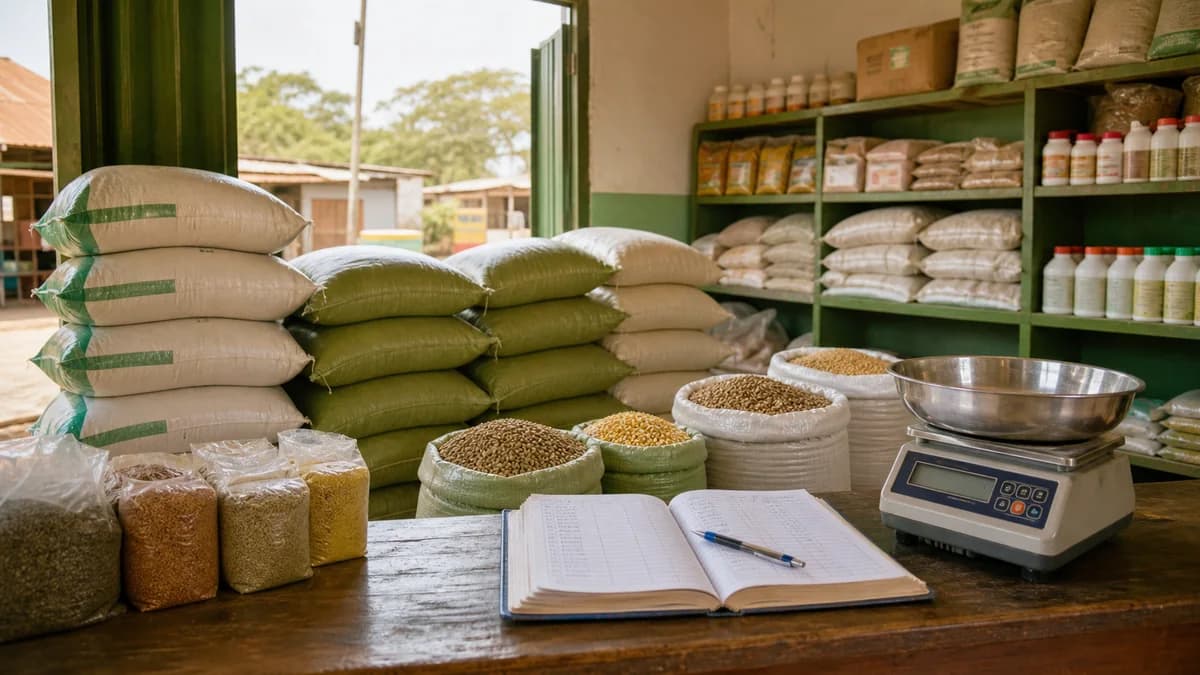
Published 07/07/2026 - Updated 18/08/2026 - 5 min read
How to Start an Animal Feeds Business in Kenya
<!-- seo-gsc-2026-08-18:start -->Choose the right animal-feeds guide
Use this page for the complete start-to-launch process: business model, location, suppliers, stock, compliance, working capital and operations. For a deeper cost-and-margin breakdown, read Animal Feeds Business in Kenya: Startup Costs, Licenses, Profit, and Risks.
If you need the ready planning document, review the Animal Feeds Supply Business Plan PDF. Use the custom business plan builder when the plan must reflect your own county, premises, supplier quotations, funding request and monthly projections.
<!-- seo-gsc-2026-08-18:end -->An animal feeds business in Kenya can work because farmers buy feed repeatedly. Poultry, dairy, pig, goat, rabbit, and mixed-farming customers all need reliable supply, especially when the shop is close to production areas and stocks trusted products.
The opportunity is not just selling bags of feed. The business is really about stock movement, supplier trust, quality control, farmer relationships, and working capital.
If you want the downloadable plan, see the Animal Feeds Supply Business Plan PDF. If you need your own location, stock list, funding request, and monthly projections, use the custom business plan builder.
Choose the right model
Most beginners should start with a retail feed shop or small distribution point. It is easier to manage than feed manufacturing and does not require the same equipment, formulation skill, quality-control systems, or regulatory burden.
Common models include:
- Retail animal feeds shop
- Agrovet plus feeds counter
- Distributor serving small farms and smaller shops
- Feed ingredients trader
- Feed formulation or manufacturing business
Manufacturing has a higher technical and compliance burden. Retailing is still serious, but the first discipline is simpler: buy from credible suppliers, store products properly, keep records, and protect farmer trust.
Pick a location near repeat demand
A good feed shop should be close to farmers who buy frequently. Look for dairy zones, poultry clusters, peri-urban farming estates, hatcheries, milk collection routes, livestock markets, and feeder roads used by farmers.
Before signing a lease, answer:
- How many active farms are within easy reach?
- Which feeds move every week in this area?
- Are nearby agrovets already serving the same customers?
- Do buyers pay cash, M-Pesa, or credit?
- Can customers easily transport 50 kg bags from the shop?
Do not overpay for a polished location if the actual farmer traffic is weak.
Stock the fast movers first
Start with proven fast-moving stock before adding slow products. A starter mix may include:
- Chick mash, growers mash, layers mash, and broiler feed
- Dairy meal and calf meal
- Pig feed where local demand exists
- Minerals and supplements
- Selected feed ingredients where demand is proven
- Drinkers, feeders, disinfectants, and basic poultry accessories
Feeds can be damaged by moisture, pests, expiry, poor storage, and broken bags. Track every bag and keep stock raised off the floor.
Compliance and supplier quality
If you manufacture, import, distribute, or handle feed commercially, study the animal-feed regulatory environment before investing heavily. Ministry of Agriculture animal-feed regulation material covers registration, licensing, hygiene, packaging, labelling, and feed business operators. KEBS quality marks and standards are also relevant when dealing with regulated goods.
For a small retailer, the practical rules are:
- Buy from credible manufacturers or distributors
- Keep supplier invoices
- Avoid unsupported quality claims
- Store feed in a dry, clean, raised area
- Keep sales and expense records
- Issue and keep tax records where required
Quality trust is the core asset. A low price cannot rescue a shop that farmers believe sells poor or damaged feed.
Startup cost categories
Your actual capital depends on town, shop size, rent, stock depth, supplier terms, and transport. Budget for:
| Cost item | Why it matters |
|---|---|
| Rent and deposit | Location determines access to farmers and transport. |
| Opening stock | Fast movers should take priority over slow products. |
| Shelving and pallets | Feed bags need dry, raised, organized storage. |
| Weighing scale | Useful for ingredients, supplements, and smaller quantities where allowed. |
| Transport | Heavy bags can quietly reduce margin. |
| County permit | Local business licensing requirements vary by county. |
| Records and invoicing | Supplier invoices, sales records, and tax records protect the business. |
| Working capital reserve | Helps restock fast movers without relying on customer credit. |
The biggest mistake is spending too much on shop fitting and too little on moving stock.
Pricing and profit
Profit depends on margin per bag, monthly turnover, supplier discounts, transport, rent, labour, damaged stock, and credit losses. A small margin can still work if stock moves quickly and cash is controlled.
Use a simple monthly test:
- Estimate bags sold by feed type.
- Calculate gross profit per bag.
- Subtract rent, labour, transport, utilities, and losses.
- Subtract bad debts or delayed credit.
- Check whether the owner still earns a reasonable return.
Avoid uncontrolled credit. Many feed shops fail because sales look busy while working capital is trapped in unpaid customer balances.
FAQ
Is animal feeds business profitable in Kenya?
It can be profitable when the shop has repeat farmer demand, credible suppliers, fast stock turnover, controlled credit, and enough working capital. Profit is not automatic because margins can be thin and feed is bulky.
How much capital do I need to start?
The amount depends on location, shop size, opening stock, transport, rent, and whether you are retailing or distributing. Build the budget from actual supplier quotations and rent offers instead of copying a generic figure.
Is retailing better than manufacturing?
For most beginners, yes. Manufacturing needs formulation skill, equipment, stronger quality control, licensing, and more capital. Retail is still risky, but easier to test.
Do I need a business plan?
Yes, especially if you are borrowing, opening in a competitive area, or stocking multiple categories. A plan helps test stock turnover, margins, credit risk, and break-even sales before cash is tied up.
Sources
- Ministry of Agriculture animal feeds regulations material
- KEBS marks of quality
- KRA eCitizen services
Source check: 7 July 2026. This article is business-planning guidance, not tax, legal, veterinary, financial, or agronomic advice.
Business startup decision checklist
A free checklist to turn the next decision into a practical action.
More insights
Use the full model